
 Talk to Lawyer
 What is Trespassing in Law

What is Trespassing in Law- A Complete Guide
Trespassing is one of the most common legal issues faced by property owners, tenants, and even businesses. Whether it involves entering someone’s land without permission or refusing to leave when asked, trespassing can lead to serious legal consequences. Understanding what is trespassing in law is essential for protecting your rights and avoiding unnecessary disputes.
What is Trespassing in Law?
Trespassing refers to the unlawful entry into another person’s property without their consent. In simple terms, it means going onto land, building, or private space that you do not own and do not have permission to enter.
Legally, trespassing can occur when a person:
-
Enters private property without permission
-
Remains on the property after being asked to leave
-
Damages or interferes with someone’s property
-
Encourages others to unlawfully enter a property
Trespassing is treated as a civil offence in many cases but can become a criminal offence if done intentionally or forcefully.
Types of Trespassing
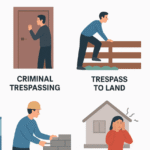
1. Trespass to Land
This is the most common form—entering or occupying someone’s land without permission.
Examples:
-
Walking into a private farm
-
Jumping over someone’s boundary wall
-
Parking a vehicle inside private property
2. Trespass to Property / Goods
Unlawfully touching, damaging, or interfering with someone’s belongings.
Examples:
-
Damaging someone’s car
-
Taking someone’s items without consent
3. Criminal Trespass
Defined under Section 441 of the IPC (India), criminal trespass happens when someone enters a property with the intention to commit an offence, intimidate, insult, or annoy the owner.
Legal Consequences of Trespassing
Trespassing can lead to:
1. Fines and Penalties
The person may be required to pay a penalty or compensation for damages.
2. Arrest and Criminal Charges
In cases of criminal trespass, the offender may face arrest and imprisonment (typically up to 3 months under IPC, depending on the severity).
3. Civil Lawsuits
Property owners may file a civil case for damages, harassment, or property interference.
How to Prevent Trespassing?
-
Install proper fencing and gates
-
Put up visible “No Trespassing” signs
-
Use CCTV cameras for monitoring
-
Keep property boundaries clearly marked
-
Seek legal action if trespassing becomes repeated or intentional
When Should You Contact a Lawyer?
You should consult a legal professional if:
-
Someone repeatedly enters your property
-
You face threats, harassment, or property damage
-
A trespassing incident has escalated into violence
-
You receive a notice or complaint related to trespassing
A lawyer can help file complaints, send legal notices, and protect your rights.
Conclusion
Trespassing may seem like a minor issue, but in the eyes of the law, it can carry serious implications. Knowing what trespassing means legally helps both property owners and individuals stay protected and avoid legal trouble. Whether it’s accidental entry or intentional harm, understanding the boundaries of the law is crucial.
what is trespassing in law what is trespassing in law what is trespassing in law what is trespassing in law what is trespassing in law what is trespassing in law what is trespassing in law what is trespassing in law
 Previous Post
 Next Post